
The Trust—Control Dynamic

Many of us have trust issues and are control freaks. Have you ever thought about the connection or dynamic between control and trust? Or more specifically, about how trust impacts our ability to let go of control? To be truthful, I hadn’t given it much thought until I read and successfully applied a tennis strategy called “Trust Your Body” in Jeff Greenwald’s insightful tennis book, The Best Tennis of Your Life.

As an avid seniors tennis player, I struggled to play up to my ability in tournament match play.  I was constantly over-thinking, too cautious, and unable to maintain sustained focus. Before playing in a big tournament in Palm Springs last month, I read a statement in Jeff’s book that really resonated with me:

“Letting go of control, trusting your shots, and accepting the outcome is imperative if you are going to ever play with true freedom on the court.”

I tried that in the tournament and beat several players who had soundly beat me a year earlier, before losing to the #1 seed in the semi-finals.  By trusting that my body and mind could work things out instinctively without all my “help,” I was able to let go of control and enjoy the wins that followed.

Upon reflection, it occurred to me that what applies to sports performance, applies equally to just about everything in life and that,

There is a powerful dynamic between trust and our ability to let go of control.

Trust and Let Go of Control

Here are some core truths about that dynamic.

  • The more we trust that we—or others or things—will be okay without our concerted effort, the less we feel the need to control them or the outcome.
  • A primary reason we try to control or over manage our life or that of others is that we lack trust that things will work out naturally by themselves.
  • When we trust and let go of control, we reduce our stress and anxiety, creating space for greater calmness and serenity.
  • When we trust and let go of control, we are able to engage and respond intuitively to “life’s natural currents”—the flow of life, if you will—thereby creating new opportunities and choices that can transform our lives.

Try These Two Things This Week

1. If you find yourself over-thinking situations or pressing matters too much, pause and say to yourself:  “Trust that everything will work out as it was intended to be.”

2. If you find yourself obsessing or worrying too much about someone—your child or love one, for instance—take a moment and say to yourself: “I trust that they will make the choices that are best for them.”

What is your view of the connection between control and trust?  Are you able to trust and let go?  What happens when you do?  Please share your experiences with me on this very important subject.

Click here to learn more about control freaks and find tools for eliminating control issues.

In the meantime, remember to

Let It Go!

Danny

*If you enjoyed this post, please “like” it on your Facebook page and share it with your friends.


Accepting Your Foes Helps!

Reading the above title, you may be thinking, “Why should I accept people who are trying to harm or cause me trouble?  They are the last people I would want to accept!” I know I used to feel that way, especially before starting my personal recovery journey.

It’s clearly unnerving to think about accepting those that we feel are toxic, and even more challenging to do so. However, when I look back, I now realize that I suffered unnecessarily from my refusal to accept such people, both in terms of greater personal anguish and poorer results.

This became even more clear to me–of all things—while competing in some seniors’ tennis tournaments. 

  My Unrelenting Tennis Foe

Not long ago, I played a first round match in a tournament against a player who constantly miscalled lines and game scores—both, of course, in his favor.   I felt I was a better player than him, but I let his court antics upset me so much, I lost my focus—and the match.

After entering another tournament several months later, I received a call from this person asking me if I would assist him in entering the same tournament.   He didn’t understand English well and had trouble completing the online entry form.   Oh brother, I thought to myself, do I really want to help him?

Yet, I felt that good sportsmanship required me to do so. When the draws for the tournament came out several weeks later, lo and behold, we were matched again in the first round.

At the time, I was in the midst of studying and writing about the rewards of acceptance, and I instinctively felt there was a reason this was happening: It gave me the opportunity to accept my opponent for the player that he was—crafty and likely not honest—and not let that impact my play.  Here’s what followed in our second match.

After I was ahead in the first set, he started with his shenanigans again, frequently misstating scores and sometimes making bad line calls.   I tried to remain calm, but internally I was very upset by his antics—so much so that I lost my lead and the match!

I left the court so embittered that I vowed never to play him again, even if that meant defaulting a match.   I was very discouraged that despite my efforts, I was still unable to accept this person for who he was.

Unbelievably, two months later I drew him again in the first round of the largest seniors tournament in the United States. Out of 60 players in our division! How could that happen?

Since I didn’t want to put myself through such torment again, I seriously considered withdrawing from the tournament. I still sensed, however, that there had to be some higher meaning or purpose to all this, and decided to play the match.   However, before playing, I knew I had to seriously examine what was required in order to somehow accept my opponent—antics and all—and not let him get the best of me yet again.

 Keys to Accepting My Foe

Here are the keys I used to finally be able to accept my opponent.

* I told myself that I would not speculate further about his motives or character. I thus would not focus on his being a schemer or cheater.   Instead, I considered that there might be reasons beyond my knowledge—or even his—for his poor court manners. That made it easier for me to accept that that’s simply the way he was—and that it had nothing to do with me, and I need not spend mental energy worrying about it.

* I practiced gratitude.In this case, I was grateful for having “the opportunity” to do things differently this time.   This significantly defused my anxiety about playing him again, and when we entered the court, I harbored no ill feelings toward him.

*I focused on what was within my power to do. Namely, to make sure I watched the ball well and played my “own” game, despite whatever he may do during the match. I also requested the presence of a court referee to assist in keeping score and resolving any line disputes.

Here’s how the match went.   I fell behind 5-2 in the first set even though he didn’t misbehave; yet, I remained calm and focused, confident in my belief that the final outcome is all about me, and not him.

I then won nine straight games and the match!

This despite my opponent’s intentionally slowing down play by taking longer than allowed cross-over periods and more time between points.   None of his diversions angered me, nor altered my focus from what I needed to do.   Indeed, I played even better.  I am convinced that had I not found a way to accept my foe, I would have lost again.

Understanding What True Acceptance Means

If you still aren’t keen about the idea of accepting your foes and adversaries (or feel that it would be near impossible to do), a clearer understanding of what acceptance means should help you.   For example, acceptance does not mean,

 *That you approve or condone another’s behavior. You are not approving by accepting. Rather, you are simply acknowledging the “reality” of the person or situation, or “what is”—and deciding what’s best for you based on that reality. Hence, you can accept someone even though you disapprove of what the person says or does.   (This is not to say, however, that you should accept abuse, violence, or other aberrant behavior.)

*That you must “give in” to others.   Acceptance does not require that you relinquish your needs or subordinate your best interests to those of others.   Once again, it means being realistic about the person (or situation); if you feel mistreated or imposed upon, you can disengage or detach–or of course, stand your ground.

 *That you cannot be resentful.   It’s normal and understandable—only “human” if you will—to be upset or resentful when someone acts badly.   What is important, however, is that these feelings be timely addressed and processed, and not be allowed to linger.   When not timely addressed, you will linger in negativity and not be able to “see” the meaningful choices and options available to you. 

And very importantly, acceptance does not mean, 

*That you have no viable choices.   To the contrary, it is only by truly accepting the person as they are (or the situation as it is), that you will be able to recognize the choices and options that will serve you best, as I did in my final match. Why? Because with acceptance, the focus changes from others to you—and what you can do to better serve your own interests.

Your Acceptance Challenge

The next time you deal with an adversary, a perceived enemy—or for that matter, simply a very unpleasant person—I challenge you to try accepting them as they are.   In doing so, note whether there were fewer aggravations. Was it easier to remain calm? Were you better able to focus on taking care of your own needs?

Please let me know how it went!  I would also love to hear about any personal recovery and acceptance stories  you wish to share.

And remember to,

Let it Go–and Accept “What Is!”

Danny

*This post first appeared in the popular personal growth blog, Tiny Buddha.

**If you enjoyed this post, please “like” it on your Facebook page and share it with others.



The Trust–Control Dynamic

Have you ever thought about the connection or dynamic between control and trust?   Or more specifically, about how trust impacts our ability to let go of control?  To be truthful, I hadn’t given it much thought until I read and successfully applied a tennis strategy called “Trust Your Body” in Jeff Greenwald’s insightful tennis book, The Best Tennis of Your Life.

As an avid seniors tennis player, I had struggled to play up to my ability in tournament match play.  I was constantly over-thinking, too cautious, and unable to maintain sustained focus.   Before playing in a big tournament in Palm Springs last month I read a statement in Jeff’s book that really resonated with me:

“Letting go of control, trusting your shots, and accepting the outcome is imperative if you are going to ever play with true freedom on the court.”

I tried that in the tournament and beat several players who had soundly beat me a year earlier, before losing to the #1 seed in the semi-finals.    By trusting that my body and mind could work things out instinctively without all my “help,” I was able to let go of control and enjoy the wins that followed.

Upon reflection, it occurred to me that what applies to sports performance, applies equally to just about everything in life and that,

There is a powerful dynamic between trust and our ability to let go of control.

Trust and Let Go of Control

Here are some core truths about that dynamic.

*The more we trust that we—or others or things–will be okay without our concerted effort, the less we feel the need to control them or the outcome.

*A primary reason we try to control or over manage our life or that of others is that we lack trust that things will work out naturally by themselves.

*When we trust and let go of control, we reduce our stress and anxiety, creating space for greater calmness and serenity.

*When we trust and let go of control, we are able to engage and respond intuitively to “life’s natural currents”—the flow of life, if you will—thereby creating new opportunities and choices that can transform our lives.

Try These Two Things This Week

*If you find yourself over-thinking situations or pressing matters too much, pause and say to yourself:  “Trust that everything will work out as it was intended to be.”

*If you find yourself obsessing or worrying too much about someone—your child or love one, for instance—take a moment and say to yourself: “I trust that they will make the choices that are best for them.”

What is your view of the connection between control and trust?   Are you able to trust and let go?   What happens when you do?  Please share your experiences with me on this very important subject.

In the meantime, remember to

Let It Go–and Accept “What Is!”

Danny

*If you enjoyed this post, please “like” it on your Facebook page and share it with your friends.


Adrian Gonzalez Knows How to Let Go of Control for Peak Performance

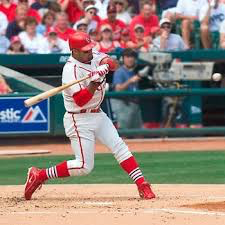
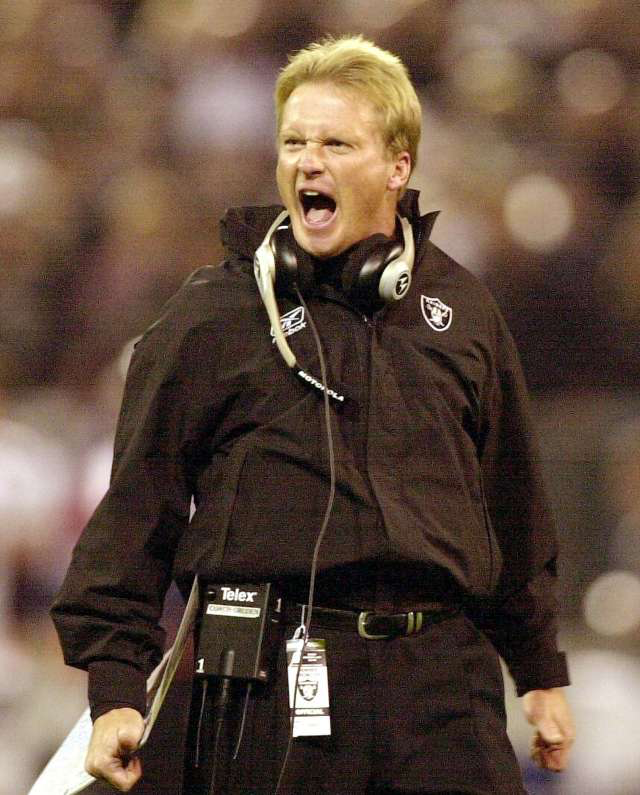
Sports stars seem to easily recognize the types of controlling actions that severely undermine peak performance.Adrian Gonzalez, a prolific home run hitter, is the most recent athlete to do so.

The Los Angeles Dodgers paid a huge amount ($126 million) to acquire Gonzalez in mid season with high expectations that he and several other acquired players would lead the Dodgers to the National League Playoffs.

However, the Dodgers failed to make the playoffs and Gonzalez’s home run production dropped dramatically.   When asked by sports reporter Dylan Hernandez (October 7 Los Angeles Times Sports Section) what he attributed his lack of home runs to, Gonzalez responded without hesitation:

“Trying too hard.”

What’s interesting is that in the two prior seasons Gonzalez hit considerably more home runs while playing with serious injuries.   When asked why he thought that was, Gonzalez answered:

“I was able to hit because I had no expectations for myself.”

Expanding further on why this past season was a subpar one for him, even though he was completely healthy for the first time in years, Gonzalez explained:

“This year, because I’m healthy, I’m like, OK, now I should be able to do this and do that…Before I know it, I’m up there trying to make things happen.  This game is not one in which you make things happen.  You have to let things happen.” (emphasis added.)

Thus, once again Gonzalez confirmed that trying too hard and having too high of expectations are the types of controlling actions that can severely undermine an athlete’s performance.

Importantly, it is these same controlling means that impact other kinds of performance.

For example,

*Over rehearsing a speech or theatrical role usually impacts its naturalness, emotional connection and flow.

*Expecting too much from your children on school exams can cause them to tighten up and make foolish mistakes.

*Trying too hard to please a prospective beau or belle may make him or her feel uncomfortable around you.

*Trying too hard to perform well sexually can ….you finish the sentence!

How many times has your trying too hard to accomplish something impacted the results? How often have high expectations of yourself or others affected performance?

In the meantime, remember to

Let It Go–and Accept “What Is!”

Danny

If you enjoyed this post, please “like” it on your Facebook page and share it with others.

Albert Pujols Lets Go of Control and Loses his Slump!

Several months ago I offered some decontrol suggestions to Albert Pujols on how he could come out of the horrendous batting slump he was mired in following his signing a record breaking contract with the Los Angeles Angels.

At the time, he was batting a measly .194 with NO home runs!

Remarkably, in the three months since he has hit .303 with 24 home runs and 71 runs batted in.

Why?  Because he let go of control!

Pujols confirmed this in the lead article in the August 13 Sports Section of the Los Angeles Times entitled “On a Barrel Roll, ” where he remarked:

“I think everyone was pressing, not just myself, but I was the face because I signed the big contract, and I had to show people I was worth every penny.”

Significantly, Pujols wents on to say:

“When I decided not to try to do too much, that’s when things started to turn.”

This aptly illustrates one of the major catalysts of our unproductive and often harmful controlling actions.

Pressing and trying to do too much.

All of which removes us from “life’s natural currents.”   Only when we are willing to lose control, are we able to engage and act more intuitively and expansively within the natural flow of life—whether it be our work lives, our home lives, creative lives—or in Albert Pujol’s case, our sports and performance lives.

The next time you are mired in a “slump,” try letting go of control.   And please let me know how it worked for you.

In the meantime, remember to

Let It Go–and Accept “What Is!”

Danny

If you enjoyed this post, please “like” it on your Facebook page and share it with others.

Albert Pujols–The Way Out of Your Slump

Poor Albert Pujols.   All those high expectations from fans, the owner–and  himself.

And why not?   A $240 million dollar contract can drum up a lot of expectations.

Is there thus any wonder why Albert is slumping so terribly?    Undue expectations invariably propel controlling actions; in his case trying too hard, analyzing and thinking too much, and likely doing too much.

The solution, Albert, may sound counter-intuitive, but it’s tried and true:

Let Go of Control!

Pujol’s dilemma of high expectations is not unusual or uncommon with high paid athletes.  In the chapter in my book entitled “Losing Sports Control: Gaining the Competitive Edge”, I relate how newly acquired L.A. Dodgers outfielder J.D. Drew was mired in a season long hitting slump until he finally gave up trying so hard to get out of it.   The following year he went on to make the American League All-Star team.

Similarly, in my post, “Lose Slumps by Losing Control”, I cite how other athletes (and professionals) successfully lost their slumps by letting go of control, as well as offering a few decontrol tips.

The dynamic is the same in all sports.

Too much control, too little flow.

So Albert, here is my advice—and please forgive me if I am being “too” controlling by offering it, but I truly believe it can help you continue to be the great player that you are.

*Disregard the expectations of fans and the owner.   Trying to meet them is what is causing you to be too controlling and not playing “within” yourself.

*Lower your own expectations as well.   It puts too much pressure on you.

*Stop trying so hard to come out of your slump.  Instead of over thinking and analyzing everything, just focus on having fun and enjoying the game that you love.

Regardless, Albert, I will continue rooting for you to hit them out of the park and I am confident you will soon return to form.

In the meantime, remember to

Let It Go–and Accept “What Is!”

Danny

If you enjoyed this post, please “like” it on your Facebook page and share it with others.

Coaching, Sports–and Life: To Control or Not to Control?


In previous posts I have explained that when athletes try to control the game too much (using Kobe Bryant as an example), it not only adversely impacts their performance, but that of their teammates as well.   I have also explained how the best way to “lose” sports slumps is to lose control.
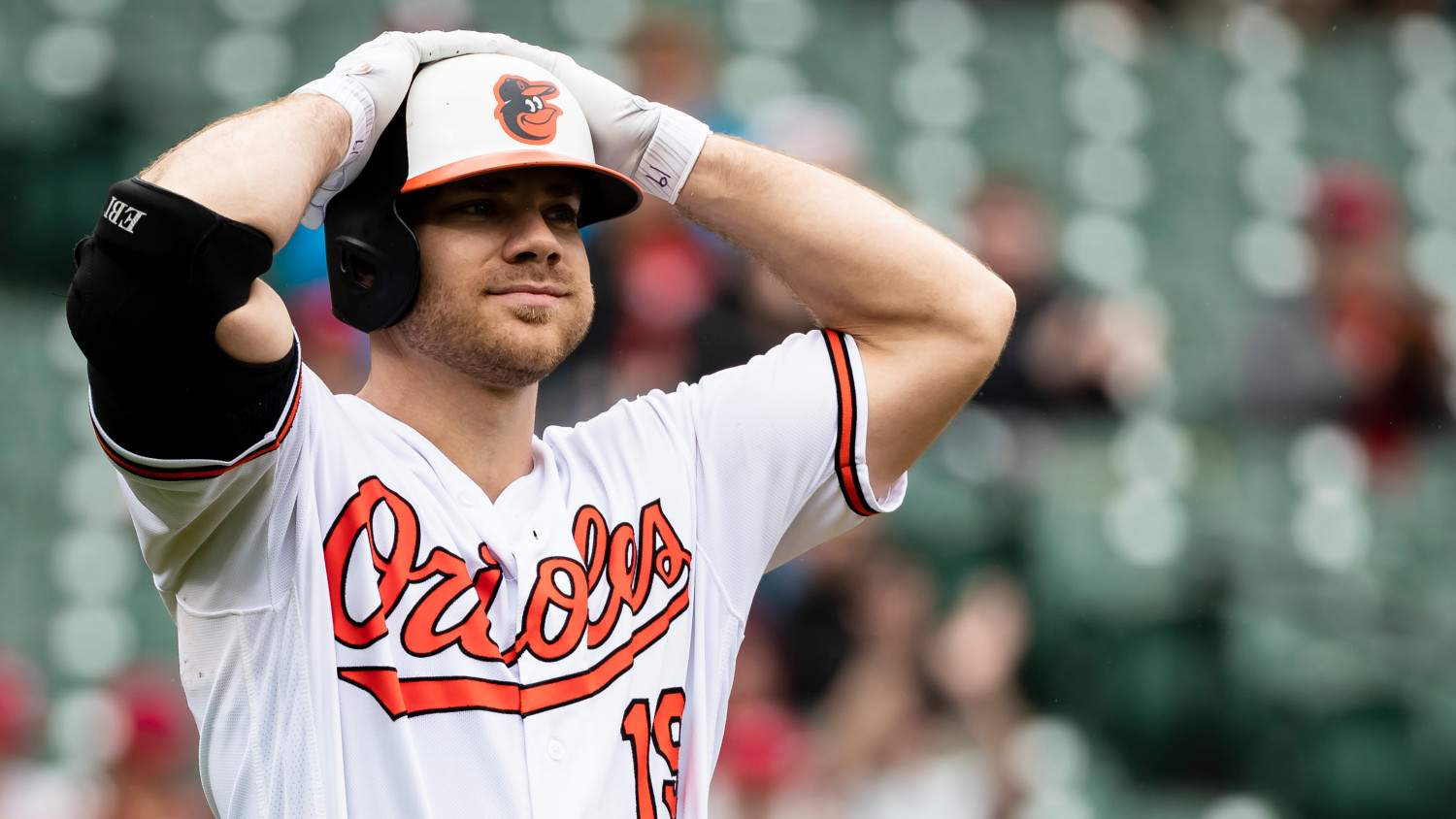
A more complex control issue concerns sports coaching.   After all, coaches are hired to “coach”—which is to say, teach, instruct, set rules, decide on strategies and the like, all of which are control based.

But when are coaches too domineering and what are the consequences?

In other words, when do coaches “over-coach” and what happens when say, they are too demanding, don’t delegate, take on too much, or don’t allow players some input and leeway.

This issue was just highlighted in an article by Gary Klein about the coaching practice of USC head football coach Lane Kiffin that appeared on the October 11, 2011 front page of the Sports Section of the LA Times.   The first sentence of the article reads,

“Lane Kiffin is not ready to let go.”

Kiffin doubles as the Trojan’s sole play-caller, which is an increasingly rare combination in major college football.   Why do most head coaches elect not to call plays?  Interestingly, Kiffin himself answers that best when he states,  “They (the coaches) can step back and look at the whole thing….”

Seeing the Forest from the Trees

I agree with Coach Kiffin.  In this blog and in Losing Control, Finding Serenity: How the Need to Control Hurts Us and How to Let It Go, I repeatedly emphasize how the intensity of our controlling actions puts “blinders” on us and we are unable to see the options and opportunities that are before us.    We are so focused on the trees, we can’t see the forest.   (Which by the way, applies equally to our work and creative endeavors).

Thus, when Kiffin focuses on play calling, it is difficult for him to concurrently follow the ebb and flow of the game or changes in momentum.

Letting Go Allows Players to Take Greater Responsibility


When coaches are willing to let go of some control, it allows the players to step up and take more responsibility for their performance.  This point was recently made by RPI (Rensselaer Polytechnic Institute in Troy, NY) hockey coach Seth Appert (“Appert’s next step: letting go” by Pete Dougherty in timesunion.com) when he stated,

“I run our program, but I want our seniors to run our team…. I think that is the next step for us—from going to a really good program to a great program and making the final step (winning the NCAA tournament).”

In evaluating his past pattern, Appert concludes, “Maybe some of it is I wasn’t ready to give up some of that control.”

I would also argue that letting go of some control in coaching frees players to more fully use their natural athletic instincts and talents.

What Kind of Coach are You?

You notice I didn’t say sports coach—just coach.   In varying ways, don’t we all coach our children?  Our mates? Our friends?

However, are you the kind of coach that tries to over-manage their lives?

If so, consider these likely consequences:

You hinder your children’s growth and independence. They don’t gain the wisdom and insights from making mistakes, nor the personal satisfaction and confidence that comes with doing things on their own.

You push your friends away. Most often, they just want you to listen, and not give them advice.

You obstruct intimacy with your spouse or partner. In matters of the heart, people don’t want to be told what they should do and how they should be.

To Coach or not to Coach? That is the Question!

Please share your thoughts, beliefs and experiences on this important subject by commenting below.

In the meantime, remember to,

Let It Go–and Accept “What Is!”

Danny

If you enjoyed this post, please “like” it on your Facebook page and share it with others.


Kobe Bryant Admits His Control Mentality Disrupts the Lakers

This past month has been an extremely disappointing time for the world champion Los Angeles Lakers.  They not only lost big to their prime time opponents, the Miami Heat, but to decidedly weaker teams as well.   Following a recent lopsided loss to the Memphis Grizzlies, in which Kobe Bryant tried to take control of the Laker offense by taking more than half of the team’s shots in the third quarter of the game, coach Phil Jackson charged that Kobe’s one-on-one mindset took “the rest of the guys out” of the flow of the game (Los Angeles Times Sports Section, Jan. 4, 2011)

Kobe acknowledged as much when he said, “He [Phil Jackson] was right, I totally broke the offense…”

Laker Center Pau Gasol Agrees: Kobe Took Over

Laker Center Pau Gasol effectively agrees with Jackson’s assessment of the impact on the other Lakers when Kobe tries to take over a game.   In the article Gasol states,  “I think we’re more effective and we’re more successful when our offense is balanced and everybody’s contributing.  We all know that we’re in good shape when everybody’s 10-plus points and just getting good looks because the offense will do that for you.”

Other players can’t contribute if they aren’t given the opportunity to do so—if they can’t, as they say in basketball, “get their hands on the ball”.  This point was proved again in the very next game, when shots and scoring were more evenly distributed among the players.  The Lakers beat the Detroit Pistons by over 20 points.

When You Control You Cant Flow!

One of the central themes of my new book, Losing Control, Finding Serenity (available next month), is that excessive control disrupts the flow in all areas of our lives:  love and intimacy, family, parenting, creative endeavors—and definitely in sports performance.

Why does excessive control lead to lost games, thrown matches, and major mistakes?  It’s simple:  when you control you cant flow.

The chapter of my book entitled Losing Sports Control: Gaining the Competitive Edge explains this phenomenon in detail.  The basic concept:  often when athletes press or try to do too much, they not only play poorly themselves, but they also severely impact the play of their teammates.  Controlling behaviors can go beyond limiting an athlete’s personal performance; they can hobble an entire team.

Coincidentally (or perhaps not!), the primary example I use in that chapter is the history of Kobe Bryant’s play. In my view, the other Lakers consistently play better when Kobe is willing to lose some control by not trying to do too much.  Kobe is truly a remarkable athlete, but that doesn’t always translate into wins for his team.  History shows that the Lakers win far more games when Kobe has a lot of assists!  In basketball, making assists—supporting other players instead of hogging the ball—is the epitome of letting go of control.

Tips for Giving Up Sports Control

I offered some tips for letting go of sports control in my November 3 post,  Lose Slumps by Losing Control . Here are two more effective ways to give up control and improve your athletic performance:

1.  Stay within your own game. Stay with what you do best.  When play is not going well, players often feel the urgency to do more, usually leading them to play beyond their skill levels.  Don’t make this mistake.  Over-reaching helps some of the time, but in the long run, performance usually suffers.   Staying within one’s own game is a particular dilemma for highly talented athletes like Kobe.

2.   Do What Chris Paul Does:  Sense the flow of the game. Like life, sports have their unique and unpredictable ebb and flow.  The action constantly shifts and changes.  It’s important to get a sense of the natural flow of the game.  To do this, you must not force the action.  Rather, develop the patience to wait until the “action” comes to you.  Then you can participate more naturally within your own skill set.

To me, no athlete senses the flow of a game better than New Orleans Hornets All Star point guard Chris Paul.  Paul is particularly adept at identifying what he needs to do to enhance the flow in ways favorable to his team. When he’s needed, he applies his skills almost seamlessly.   As a result, he usually plays differently from game to game and even within the same game.   Sometimes he becomes an aggressive scorer; at other times, he’s a facilitator.  He picks and chooses his moments, maximizing his performance and that of his teammates.  Chris Paul’s play is a perfect example of decontrol techniques at their most effective.

The next time you play your favorite sport, try these decontrol tools, too—and please let me know what happens.

In the meantime, remember to,

Let It Go–and Accept “What Is!”

Danny

If you enjoyed this post, please “like” it on your Facebook page and share it with others.

“Lose” Slumps By “Losing Control”

The Terrible Slump

“I’ve been in a terrible slump,” laments the star baseball player.  “No matter how hard I try, I can’t seem to  shake it.  I’ve been taking extra batting practice for the past week, and that’s only made things worse.  But I am convinced that if I try even harder,  I can come out of it.  As they say, ‘If you don’t succeed at first, try, try again,’” he bravely commits.

The player may be brave, but is he wise?

Is the Problem the Slump or Excessive Control?

Like many athletes and performers, the star player is control prone.  By that I mean, he is over thinking , over trying,  over obsessing—and under trusting and accepting.   As a result, he is resisting life’s “natural currents,” rather than letting them run their natural course.

As I wrote in my first blog post, life is constantly moving, shifting, ebbing and flowing.   There are and will always be highs and lows.  Yins and Yangs.  Slumps happen.  It is important to accept that.   Sometimes we lose our “groove” for no apparent reason, and fear sets in, causing a loss of confidence.   But trying extra hard doesn’t bring it back.  Once you start pressing and thinking too much about the problem, you become your own worst enemy.

It is usually better to let slumps resolve themselves naturally—and they usually will if you have patience and trust that everything will work out in due time.   That doesn’t mean that you should not check (and correct if necessary) your basic fundamentals—in the star player’s case,  swing form and technique—but after that, just let it go if you can.

Psychologists Agree:  Control Actions Make Slumps Even Worse

In a recent article by Sue Shellenbarger in the Wall Street Journal, “Slumping at Work? What Would Jack Do” (www.wsj.com, October 13),  psychologists confirm that working and trying too hard makes matters even worse, both in sports and at work.    Sport psychologist Gregg Steinberg told an account executive who was not producing to do what he advises athletes to do: “Stop working and allow yourself to relax.”  Following his advice, the executive’s sales doubled.   Dr Steinberg stated that the principles that lead to slumps are the same at work and in sports: loss of confidence, over-thinking every move, dwelling on past failures and working too much.

The article goes on to tell how star Atlanta Braves pitcher John Smotz, mired in a 2-11 record at the All Star Break,  made matters worse by trying to break out of his slump with hard work and overanalyzing every bad pitch he made.   When he stopped obsessing and instead focused on the positive things he did well; he was 12-2 for the remainder of the season.

Similarly, amateur golfer Greg DeRosa relates how during a slump,  he practiced harder and took lessons, only to lose the rhythm of his swing.   However, after working with sports and performance psychotherapist Tom Ferraro, he stopped taking lessons and started trusting his instincts.  Soon after, he took three strokes off his previous lowest average five years prior.

Lose Control and Regain the Flow

I like to say, “You can’t flow if you control.”  So drop the control and regain the flow!  That’s true, whether in sports, performance, work, the arts, relationships or life in general.   In my forthcoming book Losing Control, Finding Serenity , I offer tools and methods for learning how to effectively let go of control in these life arenas.

For now, here are two tips for losing slumps in addition to those I mention above:

*Envision yourself performing in a confident, smooth manner.  Do this well before, up to, and at the start of the game or performance.

*Face your performance fears and anxiety.   Don’t shy away from them.   Address and process them the best way you can.  In most instances, your fears and anxieties are what cause you to control.  (This key control catalyst is addressed at length in my book.)

By practicing these tips, I am confident you will see a marked improvement in performance.   They sure have helped my tennis game!

In the meantime, remember to,

Let It Go–and Accept “What Is!”

Danny Miller

If you enjoyed this post, please “like” it on your Facebook page and share it with others.