
The Wave: Navigating Life’s Currents


I wanted to acquaint you with a new book I am writing.   Its title is The Wave: Navigating Life’s Currents.

The mystery, randomness, and freeness of ocean waves  (high and low tides, riptides and undertows, crests, swells, murky waters, etc.) serve as a metaphor for an expansive life path that closely parallels surfing or riding waves.

The book explores how we can meaningfully navigate the currents in all aspects of our lives—work, love, friendships, parenting, aging, sports and performance, and creative endeavors, and enjoy the many gifts that follow.

Formidable wave “barriers” such as control, judgment, fear, denial, high expectations, limited thinking, and unclear boundaries are examined together with wave “enhancers” such as trust, acceptance, humility, and intuition.

Below is an excerpt from The Wave.  I welcome your comments, suggestions, and experiences about riding the wave.

If you wish to be kept abreast of the book’s progress and receive future excerpts, please email info@losingcontrolfindingserenity.com

And remember to,

Let It Go-and Accept “What Is!” 

Danny

………………………….

THE WAVE

” When you observe nature for any period, you can sense the presence of a natural process or rhythm.  You may notice it in the way leaves fall from a tree, gently floating down to form eloquent patterns on the grass.  Or as I first did, watching the way ocean waves build, crest, flow and change course in an endless variety of movements.

At such moments, we sense that the life force or energy we are experiencing is unpredictable and unknowable yet has an innate and vast intelligence all its own, one well beyond our capacity to understand.

We also realize that, as mysterious as this universal rhythm is, we are a part of it.

I refer to this rhythm as the Wave or life’s currents.  It is intrinsically truthful and cannot be controlled or manipulated.  It just “is”, and though it may feel ancient, it is always present.

There is a noticeable cohesiveness to it; a harmony of co-existence; a wisdom and mystery waiting to be discovered.

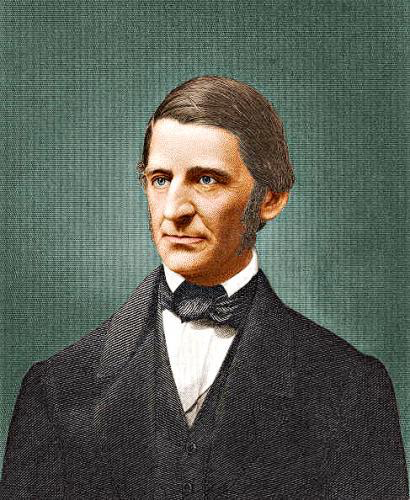
Ralph Waldo Emerson poetically described this rhythm of truth as:“There is a guidance for each of us, and by lowly listening we shall hear the right word…Place yourself in the middle of the stream of power and wisdom which flows into you as life…then you are without effort impelled to truth, to right and a perfect contentment.”

Before that day at the beach many years ago, I had no inkling of such a guidance.   I had been too engulfed in futile battles and engagements.

Today I feel the comfort of its presence when I sit in my back yard early mornings, listening to the cheerful medleys of song birds and the cooing of doves, watching the branches of my magnificent olive tree gently swaying as they reach toward the sky, and the ground squirrels scampering around its limbs.

Indeed, I feel it in the stillness and solitude of nature most anywhere; when I hug an oak tree; inhale the strong  aroma of eucalyptus leaves; or watch colorful humming birds darting from flower to flower.

I also feel it most of the time when I’m painting or channeling verses that occasionally lead to poems.

I have come to learn that the more I am able to live my life in harmony with this natural rhythm, or ride the Wave, the more I am able to discover solutions to my most pressing and troubling concerns and enjoy the unplanned, spontaneous moments in life and marvel at the beauty all around me.

That is not to say that the rides are always smooth or easy, or without low tides and riptides.   I tumble often.   The difference now is that it is not for as long or as severe because I am more aware of how and why I slipped and have learned some ways to return.

Like Emerson, I believe “there is a guidance for each of us.” It is up to me to lowly listen and place myself in the middle of the stream of power and wisdom.  Writing this book is part of my endeavor to do that and I hope encourage readers to discover their waves.

It also is to remind me that I am not the only wave in the ocean and that I need to accept, respect, and honor the waves of others, lest I find myself “making waves!”

As expressed earlier, for me the metaphor that comes closest to the vision of aligning with this natural rhythm are ocean waves.  The mystery, randomness, and freeness of waves closely parallel the expansive life path I am seeking.

Think about bodysurfing in the challenges you face.  There will be a great variety of waves, some building up quickly and crashing mightily, others cresting more gradually and lasting longer.  Some will simply vanish.   Many will change course.

We have no control or influence on their patterns, paths, and frequencies; we can only be patient and alert as we await them.

As soon as one crests near us, we extend our arms, swim a few strokes, and try to glide with it.  We make adjustments along the way, if needed.  If we encounter turbulence, which we often will, we can protect ourselves; for example, wrapping our hands around our head if we are forcefully thrown asunder, or pulling out of the currents or diving beneath the waves.

Much of the time, though unpredictable, the ride will be smoother and often enjoyable, and at times even exhilarating.  And the lows not as severe or as long.

In a similar vein, consider how experienced surfers engage and ride waves.   First, they patiently observe how the waves are building and developing near them; when they sense there may be a good–and safe—one to ride, they paddle toward it, aligning their boards with the cresting wave; if it looks too strong or dangerous, they pull out and wait for another; if it looks good, they quickly paddle some more, hop on their board, and begin their ride.

Surfers accept that the waves, and not they, are in control; that they can easily be sent flying off their boards into crashing waters if they resist their flow.  They know, however, that they can enjoy exhilarating rides by aligning, and gliding, with the waves.

It is easy to discern the practices and attitudes that are essential for skillfully and safely surfing or riding waves: awareness, observation, acceptance, patience, humility, trust, instincts and intuition, and the willingness to surrender or let go of control.

It’s not as easy to discern the practices and attitudes that obstruct riding waves: control, arrogance, high expectations, judgment, denial, limited thinking, and fear.

We will see in the pages ahead that the very same factors, or wave “enhancers”and “barriers,” strongly impact how we  navigate our currents in work, love, friendships, parenting, aging, sports and performance, and creative endeavors.”

END OF EXCERPT

*If you enjoyed the excerpt, please share it with others and “like” it on your Facebook page.



Taking Stock in The Time of Coronavirus

                (7th in an ongoing series on “Acceptance in The Time of Coronavirus”)

The other day as I was sorting through some books that had accumulated on my small bedside table, I came across a “dream catcher” journal that someone had given me sixteen years ago for my 60th birthday.

Even though the journal had remained on a table shelf for all these years, I had only written a few entries. Most notable among them was a statement in which I desired to “live a whole, meaningful, free, and engaging life, and to share my wisdom with others.”

I felt heartened that I had made good progress toward achieving that goal.

Interestingly, the very next entry was a two-page assessment of things I liked about myself—my attributes, if you will—and those that I didn’t and wanted to change, improve upon, or remove.  The latter included being less critical of others, dealing with my anger early on, and not rushing so much.

It thus occurred to me that to effectively strive toward a life that is more fulfilling and meaningful, it is essential to first “take stock” of where and how we are at the moment.

A silver lining of the Covid 19 pandemic is that it provides us with a unique opportunity to do that.  There certainly is no shortage of time for most of us to try!

In fact, when you think about it, the immense challenges and hurdles we face in The Time of Coronavirus—emotionally, spiritually, physically and financially–compel us to take such action if we wish to avoid despair and the debilitating feelings of helplessness and hopelessness.

I thus encourage you to start by making a personal accounting of yourself and your life.

In doing so, consider where you feel you fall short.  What things hold you back? What do you like about yourself and don’t you like about yourself?  What behavior makes you feel bad or guilty?What would you like to do better?  What things no longer serve you well?   And so on.

You will likely find certain recurring themes and impediments that consistently undermine your overall well-being.  Try to hone in on them one at a time, asking yourself this very simple, but pertinent question:

“How’s that working for me?”

Your answer will bring the issue front and center and allow no room for convenient excuses or rationalizations.  It can also motivate positive changes.

In your personal assessment, you will discover certain positive qualities and traits that you may not have been fully aware of, dismissed, or downplayed.  It’s important to remember that they are vital parts of who you are and you should give them their just due.   Your attributes play an important role in attaining the life you want.

It is also instructive to ponder the following question from the chapter “Discovering and Accepting Who We Are” in The Gifts of Acceptance:

What do I need to change or ‘become’ in order to feel better about myself?” 

I encourage you to envision, reflect, meditate and write about what these things may be and how doing them might make you feel.  Then start doing them.

But do them without expectations or self-judgment.   And be grateful for partial successes, viewing setbacks merely as opportunities for further growth.

As you progress, the healing light of awareness will shine brightly on you during The Time of Coronavirus—and after, making it easier to choose what and who you want to become.

In the meantime, remember to

Let It Go—and Accept “What Is!” 

Danny

*If you liked this post, please “like” it on your Facebook page and share it with others.

**To help make The Gifts of Acceptance and Losing Control, Finding Serenity available to more people during The Time of Coronavirus I have lowered their ebook prices to $2.99


Letting Go of Judgment in The Time of Coronavirus

  Letting Go of Judgment in The Time of Coronavirus 

(6th in an ongoing series on “Acceptance in The Time of Coronavirus“)

I’ve always struggled with being too judgmental of others.  I’ve worked a lot on being less so, but it takes constant awareness—not only that I’m judging, but also how it impacts my overall well being and serenity. (More on that later)

I’ve noticed that my inclination to judge others has risen in The Time of Coronavirus. It is likely due to my having greater “dis-ease” and impatience these days—and sometimes getting agitated over little things.  (See my post, “Accepting Agitated People in The Time of Coronavirus”)

As a result, I’m more likely to judge or question why people are doing or acting the way they do.   I forget that these are not normal times, and most people are often not acting “normally.”

A recent example is when I reacted strongly when a good friend asked me to share a video with my friends in which a disgruntled scientist made some disparaging remarks about a well known scientist who has played a prominent public role in combating the COVID 19 Pandemic.

After viewing the video, I had doubts about the veracity of some of its accusatory statements.  I found several articles that provided evidence disputing the scientist’s main claims and admonished my friend about promoting the video to his friends without first fact checking the claims.

I sent him the articles, but that didn’t defray him.  He was convinced about the merits–and adamant–about what he was doing.

The truth of the matter is that I judged my friend harshly for his beliefs and actions.  I felt the video was untruthful and wanted him to stop—signs of a true controller and judger!

When I later thought about my actions, certain things about judging became clearer to me.

*Most judgments serve no real purpose or benefit.  It’s unlikely to change the way people are or act.  If anything, it puts them on the defensive and they are likely to resist and dig in harder.

That doesn’t mean we shouldn’t express our views and beliefs on matters that are important to us, but rather to not dismiss or disparage others’ views without first making an effort to listen and hear them out.  (See my post, “Acceptance Conversations as Peacemakers”)

*We are not accepting others for who and how they are.

I didn’t have to approve or condone what my friend was saying or doing, but I should have accepted he had the right to express his own views and make his own choices, provided they didn’t harm me or those I care about.

The short of it is,

When we judge, we can’t accept. 

*We are often being righteous and arrogant. There is a certain “know-it-all-ness” when we judge.  We believe we know better than others and what the “real” truth is.   However, we easily disregard our own personal biases.  I certainly was that way with my friend.

In deed, I don’t think

A judger has ever been accused of having too much humility!

Even when we wish to judge less, we are often unaware that we are in fact judging.   Judging takes many forms.  Criticism, curtness, withdrawal,  smugness, and having unreasonable expectations are just a few of the ways we voice our judgments.

In many ways, judging is a counterproductive diversionary tactic.  It diverts us from taking stock of those parts of us, especially our shortcomings, that don’t serve us well.  It further diverts us from making an effort to improve upon them.

At its core, judging is a controlling mechanism that harms primarily ourselves.    

I thus encourage you to temper your judgments and try to be more understanding and tolerant of others.   In doing so, you will control less and accept more, and thereby enjoy greater peace and serenity in The Time of Coronavirus—and afterwards, as well!

In the meantime, remember to

Let It Go—and Accept “What Is!” 

Danny

*If you enjoyed this post, please “like” it on your Facebook page and share it with others.

**To help make The Gifts of Acceptance and Losing Control, Finding Serenity available to more people, I have lowered their ebook prices to $2.99


Overcoming “Lulls” and “Lows” in The Time of Coronavirus

(5th in an ongoing series on “Acceptance in The Time of Coronavirus“) 

I don’t know about you, but its easy for me to fall into a “lull” and “low” during The Time of Coronavirus.

Every day seems the same, yet I feel different almost every day. 

Same in the sense I have a lot of time on my hands most days and am restricted in movement, engagement, and enjoyment of what I like to do, especially playing tennis.

Different because I don’t know how I will feel until I get out of bed and begin my day.   Some days I feel calm, relaxed and productive.  Others anxious and antsy.   And unfortunately, a good night’s sleep isn’t necessarily a harbinger of positive thoughts, feelings, and energy.

And some days, like today, I feel a “lull” and “low”–and lethargic.  My body didn’t feel right this morning.   I wasn’t sure if I was coming down with something.  Who Knows? Maybe even the dreaded Covid-19.  Fear is at the forefront these days.  (See my post, “Dealing with Fear in The Time of Coronavirus”)

You may relate to what I’m talking about.   If so, I would like to share some simple things that helped me feel much better as the day progressed.    I hope they will help you, as well.

I reached out to a friend to see how he was doing. That wasn’t easy for me because I really didn’t feel like speaking to anyone. But I knew from past experience that the best way for me to get out of my head’s “negative” thinking was to see how others are doing and lend a good ear. My friend greeted me warmly and we shared some insights and “what we were doings” during The Time of Coronavirus.  We even had a few good laughs.    The conversation lightened my spirits, and then,

I took a “nature walk” around my neighborhood. It’s wonderful springtime here in California.   Why not enjoy “the beauty all around me.”  The blooming roses and irises.  The bright blue sky.  And the cheerful music of birds. Have you noticed lately that the birds seem happier than ever?  The doves even more peaceful?  And the ground squirrels playfully scampering around?

Is it possible they know something that we don’t?

Or, maybe it’s that they know “less” than we do–and are happier because of it? 

Whatever the reason, it was a real blessing to be able to share their space with them.

I’ve heard it said that we are only a guest of nature, and I welcomed the invitation.

I felt so much lighter, and then

I decided to write this post. I thought that others—maybe even you—have experienced similar lulls and lows during The Time of Coronavirus and my sharing  today’s experiences might ease their discomfort.

Quite honestly, just that thought lifted my spirits considerably.   And the actual writing—this very writing—helps me a lot.

I gain needed awareness, clarity—and acceptance. 

I encourage you try these things when you feel a lull or low.  (The writing part can be some basic journaling.) Please also share your  experiences and ideas about dealing with lulls and lows in The Time of Coronavirus. It would be helpful to me and I know others.

(You can read my earlier post, “Accepting “Lulls” and “Lows” for some other suggestions on this subject.)

In the meantime, remember to

Let It Go!—and Accept “What Is!” 

Danny

*If you enjoyed this post, please “like” it on your Facebook page and share it with others.

**To help make The Gifts of Acceptance and Losing Control, Finding Serenity available to more people, I have lowered their ebook prices to $2.99


Managing Expectations in The Time of Coronavirus

         (4th in an ongoing series on Acceptance in The Time of Coronavirus)

I’ve often talked and written about the importance of moderating our expectations if we wish to control less and accept more.  High expectations can hurt us in a lot of ways. ( See my post,“5 Ways High Expectations Hurt You”)

A recent occurrence made me realize that it’s even more important to manage our expectations in The Time of Coronavirus, given all the uncertainty and unknowns, and the emotional tolls it has taken on people.

A few days ago I visited my local pharmacy to pick up two prescriptions I had phoned in the week before.   Although the only customer in the store, I waited (with mask on) for what felt like an eternity while the pharmacist was speaking with another customer on the phone.

Truth be told, the wait was actually only about 5 minutes, but I found myself getting anxious and impatient.   I had wanted to get in and out of there.

When the pharmacist finally got off the phone, she informed me that only one of the prescriptions was ready, because the other one had expired.

Oh brother, I told myself.  I would now have to come back again when the other prescription was filled. Fortunately, I “cooled off.”    After all, the pharmacist was a sweet, kind person, who was doing her best during The Time of Coronavirus!

When I later reflected on the incident, I realized my expectations created my angst.   Specifically, I expected that

  1. It would be a quick and easy pick-up since I came several days after the pharmacist told me the prescriptions would be ready.
  1. That she would have called my doctor for a renewal, as she had done in the past.
  1. She would tell the phone caller that she would call back after taking care of her store customer—me. (Pretty presumptuous of me!)

And the all-inclusive expectation: 

That everything would be (and operate) the same as it had before coronavirus.  (Really?)

I know this is a silly little story, but these everyday types of occurrences can easily affect our serenity, if we let them, because of our expectations.

As I’ve said before, we need to cut people some slack!

So, bottom line, we need to manage our expectations better, lest we become agitated ourselves.  (See “Accepting Agitated People in The Time of Coronavirus”)

These are not normal times, and our so-called “normal” expectations don’t serve us well now, if they ever did!  

Simply put, they aren’t healthy for us.

So I encourage you to moderate, manage, and lower your expectations during the Time of Coronavirus.    My post “Let Go of Control by Moderating Your Expectations” will help you do that.

In the meantime,

Let It Go—and Accept “What Is!” 

Danny

*If you liked this post please “like it” on your Facebook page and share it with others.

**To help make The Gifts of Acceptance  and Losing Control, Finding Serenity available to more people, I have lowered their ebook prices to $2.99.


Accepting Agitated People in The Time of Coronavirus

(Third in an ongoing series on  Acceptance in The Time of Coronavirus) 

If you’re like me, your tolerance of others has been strained in this Time of Coronavirus, be it with loved ones you are
“confined” at home with or just people who get on your nerves.

No question about it, most people are on edge these days and it doesn’t take much for them to go off.

Patience is in short supply, and anger is in abundance.

If I were to tell you that you would likely be much better off—and have greater serenity—if you were to accept these people as they are, you might think I have contacted the virus!

Fortunately, I haven’t—and hope not to!

But I will also tell you that accepting others, as ornery as they may be, does not mean what you might think it means.

It has nothing to do with excusing, condoning, or otherwise approving of their words or behavior. (See, “Three Misconceptions About Acceptance)

It does have a lot to do with “staying on your side of the street” and focusing on taking good care of yourself.

Take my friend Jen, for example.   On many days, her husband is stressed and agitated, particularly over being cooped up at home day and night.

As Jen puts it, “I truly don’t know what side of the bed he will be getting up on each day.”

She further explains,

“But I also know I can’t fix him or make him feel better.  I’ve learned that’s well beyond my power to accomplish.   And when I do focus on his woes too much, I soon find myself down the rabbit’s hole as well, and that clearly doesn’t help him any.

“So I just try to love and accept him as he is, pray for his well being, and be careful not to get wrapped up in it all.  That allows me to stay more emotionally balanced and focus on what I can do to take better care of myself during these difficult times.”

Here are four suggestions that will make it easier to accept others in The Time of Coronavirus:

  1. Cut them some slack. These are trying times for everyone. A lot of people are really struggling in coping with things.   Their fears, frustrations, and “demons” consume them.  These are not normal times and many people are not acting as they normally do.
  2. Don’t take things too personally. What someone says or does that offends most often has more to do with where they are in their life or what’s happening to them. In other words, it’s not about us.   Hence, when the “stings” come, try to take some time to consider what their real sources may be and not take the matters too personally.
  3. Detach with love. This mainstay of the 12 Step programs is particularly helpful now.  It simply means to emotionally (and if necessary, physically) separate or remove yourself from the “drama” or unnerving ways of others, but to do so in a kind, caring manner.  Jen’s story is a good example of detaching with love.
  4. Consider whether you had a role in another’s behavior. Let’s not lose sight of the fact that we, too, have been impacted by what’s going on.   We also may not be our “normal” selves and may have contributed to another’s offensive or irritable ways.   It’s therefore important to at least ask yourself such questions as:

“Did I play a part in the matter?”  “Have I been curt or impatient with the person?”  “Have I been on edge lately?”, and the like.

I am confident that these tools will help you better accept others in The Time of Coronavirus and concurrently bring you greater calm and serenity.

I welcome your thoughts and experiences on accepting people who bother you.   How do you, for example, react or respond when someone upsets or irritates you?  What acceptance tools have helped you in dealing with such people?

(You may also wish to read the first two posts in this series:“Dealing With Fear in The Time of Coronavirus” and “Acceptance in the Time of Coronavirus”)

In the meantime,

Let It Go—and Accept “What Is!” 

Danny

*If you liked this post, please “like it” on your Facebook page and share it with others.

**To help make The Gifts of Acceptance and Losing Control, Finding Serenity, available to more people, I have lowered their ebook prices to $2.99.


Dealing With Fear in The Time of Coronavirus

(Second in an ongoing series, “Acceptance in the Time of Coronavirus

The many uncertainties and unknowns of the coronavirus pandemic have heightened our fears. So many of us are engulfed in never ending “what ifs” and “what might happens”– be it our (and our loved ones’) physical and mental health, job losses, finances, or overall well-being.

These fears are formidable obstacles in being able to accept the all-encompassing “what is” of the pandemic that is necessary in order to act in our best—and safest—interests. (See my post, “How the Serenity Prayer Helps Deal with Coronavirus”)

Particularly in my business dealings, I’ve been challenged to confront the tendency in my thinking to overly focus on “Future Events Already Ruined.” (FEAR)

Hence, I worry about whether my tenants (who were mandated to cease operations) will be able to pay their rent, or at least a portion of it? Whether some will have to close shop and vacate? And so on.

While these are realistic concerns, my obsessive dwelling over them not only results in the loss of needed sleep, but to my detriment, prevents me from recognizing what steps I can take to minimize the “damage.”

That’s what fear so easily does: Freezes you in your tracks!

To avoid such paralysis, first and foremost, I have learned that I must confront and process my fears. By that, I mean address them directly, and not avoid, procrastinate or deny. (For more on these subjects, see my posts “Avoiding Avoidance” and “Letting Go of Denial”).

Here are three interrelated tools that can help process fears in the time of Coronavirus:

*Identify the Fears. In order to process your fears, you must know what they are. Many times they are known only generally because they are a master of disguise.

One of the best ways to identify this most tricky of emotions is to do a fear inquiry.

Thus, when you feel unsettled or anxious—or have shortness of breath or other physical reactions–take a moment and think about what you may be afraid of.

Is it your young children constantly getting too close to others? Your failure to wear a mask when you went to the drug store? Forgetting to wash your hands after bringing in the newspaper or mail? The possibility of being furloughed from work? Not being able to visit your elderly mother at her assisted living home? And so on. Next,

* Objectify the Fears. Take some time to separate the objective facts and truths of the underlying situations and circumstances from the hyper imagined ones. Which is to say, don’t assume, speculate or react impulsively. Instead, pause, reflect, investigate, and consult when needed.

Thus, with respect to coronavirus concerns, don’t jump to the “future events already ruined” syndrome that you or your loved ones are going to get ghastly ill, need hospitalization, not get a respirator, or ??? Instead, try to

* Stay in the Moment. Deal with what is real now, not what might happen tomorrow. Any method or format you use is fine. Disregard all the “mights” and “could bes” that only stir up your fears. Trust that you will be able to handle whatever may happen tomorrow—just like you have in the past.

Through this process, your coronavirus fears will subside.

With respect to my tenants, my fears lessened as I more fully recognized that: a) only several thus far had not paid their rent; b) I had screened them carefully for their creditworthiness; c) legislation had been passed that would help them financially; and, d) I could be more pro-active by reaching out and offering rent deferrals to those who needed it.

Are my fears over? Not by any means. Do I have others? Certainly. But when I remember to use the above tools to process my fears, their impact on my well-being—and serenity—is much, much less.

I would love to hear about how you’ve dealt with your fears during this time.

In the meantime, remember to

Let It Go—and Accept “What Is!”

Danny

*To help make The Gifts of Acceptance and Losing Control, Finding Serenity available to more people during the coronavirus crisis, I have lowered their ebook prices to $2.99.

**If you liked this post, please like it on your Facebook page and share it with others.

How the Serenity Prayer Helps Deal with the Coronavirus

The Serenity Prayer* has really helped me in dealing with the severe impact of the coronavirus and I hope it can help you as well.


Every day it becomes more clear how powerless—and helpless–we are over so many aspects of the Covid-19 pandemic and its impact on our lives.  Jobs and financial losses, business closures, the heavy burdens on parents from school closures, food and supply shortages, and the strict physical and social constraints, including separation from our loved ones.  The vast suffering by so many is heart wrenching and immense.

The Serenity Prayer teaches us that the more we are able to accept our “powerlessness” over (and inability to change) such tragic circumstances, the more serenity we will have in our lives.  It is extremely difficult and challenging, to be sure.  We feel helpless by our lack of power and control.  However, even partial or intermittent acceptance is beneficial.  (I explore these subjects in depth in my books, The Gifts of Acceptance and Losing Control, Finding Serenity.)

Yet, it is the very acceptance of “what is” that is key to mitigating the hardships and vast changes in our lives brought about by the coronavirus.  Indeed,

Acceptance can transport us from despair to hope and even joy.

How?

As I have repeatedly expressed in my speaking and writings on the control and acceptance dynamics, with acceptance comes a critical shift in focus–from what we can’t control or change to what we can.

This shift empowers us.

It does so by expanding our vision—substantially so.  We become much more aware of things and areas in which we do have power and control, and that in turn reduces our stress, anxiety, and despair.  We no longer feel so stuck and mired in negativity.

This is the very essence (and encouragement) of the second line of the Serenity Prayer: “The courage to change the things we can.”

Hence, just as we are unnerved by the things we are powerless over, we are empowered by the things we do have power to do and change—and there are many when we are freed to focus on them.

Acceptance gives us that freedom

I encourage you to explore and embrace your “powers.”  Be creative, open—and courageous.  Here are a few I have personally enjoyed during this time.

*Tending to the “little” things that I didn’t have time for before: gardening, organizing my closet, drawers, and files; cleansing and ridding the house of unneeded and unused “extras”; strolling in the neighborhood, admiring the natural beauty all around me, and saying “hello” to neighbors on different streets I hadn’t yet met; reconnecting with friends I hadn’t talked to in a long time; and drawing and painting.

*Enjoying my wife’s healthy home cooked meals.

*Listening to informative and humorous podcasts and participating in online virtual meetings and get togethers through Zoom.

*Re-reading some favorite books and enjoying them even more.

*Face timing with my 96 year old mom, whom I am unable to visit because of the mandated lock down in her assisted living home.

*Being more aware of, and grateful for, the many blessings I have in my life, including a loving family, good friends, blue skies and sunny days, good health, and much more.

*Learning more about what’s truly important to me and what changes and additions I would like to make once the crisis subsides and hopefully passes.

These powers have brought me unexpected pleasure, comfort, and balance during this trying time.   Most were inspired by my daily reciting and applying the tenets of The Serenity Prayer. (See my post, “Optimizing the Benefits of the Serenity Prayer.”)

I hope you have benefited from discovering your own “powers.”  Please share them with me and others.  We are all in this powerful storm together and let us weather it together by supporting and helping one another.

In the meantime, remember to

Let It Go—and Accept “What Is!” 

Danny

* “God grant me the serenity to accept the things I cannot change,

Courage to change the things I can, and

The wisdom to know the difference.”

**If you enjoyed this post, please share it on your Facebook page and with your friends.


The Instant Holiday Stress Remover!

The Holidays are upon us!  As beautiful as this season is with decorations, holiday songs, and gift giving, it also comes with a lot of stress , anxiety, apprehension  and agitation.   Getting the expensive item on sale, standing in lines, and traffic, traffic, traffic.  It’s little wonder that our anger can flash at the slightest inconvenience.

But my friend Jenna marches to a different, calmer beat.   Her chosen path is,

                             Acceptance—the instant holiday stress remover.                   

Jenna knows acceptance is the best holiday gift she can give herself.   Needing to buy some last minute holiday gifts at her local mall, she joined a block-long line of cars creeping along toward the parking entrance.

Once entering, she had to maneuver like a matador to avoid cars aggressively vying for parking spaces as if they were winning lottery tickets.

Walking into her favorite department store, she had to navigate through hordes of frenzied shoppers and clothes strewn about as if there had been a teenage slumber party the night before.

After finally finding the things she was looking for, Jenna then had to wait fifteen minutes before it was her turn at the cashier counter.

Upon hearing her shopping experience, I remarked that she must have been totally stressed out by the experience. To my surprise, Jenna responded, “No, not really.”

Knowing that my emotional equilibrium would be off kilter if I had endured the same obstacles, I asked her how she managed to remain so calm in the midst of such madness.

Without missing a beat, Jenna replied, “If I’m entering the madness, I have to accept that’s all part of it.”

True words, indeed. The underlying reality is that the holidays are truly maddening times for many people. Heavy traffic, rude people, too few sales clerks, family dinners with estranged siblings, and so on. Jenna was wise enough to recognize that she was powerless over changing any of that and thus wasn’t overwhelmed by it all.

She also maintained realistic expectations.  Our expectations increase during the holidays. We often expect our children, mates, and friends to act like angels; to be on time, thoughtful, help out, read our minds, and such. These kinds of expectations inevitably lead to conflict and resentment by us—and them–and this only increases our stress.

                                                                    People Stressors

Unfortunately, it’s just not trying situations that create stress during the holidays.  We also have to cope with “people stressors” who are more invasive—and pervasive–during the holidays—you know,  control freaks, dysfunctional family members, and other “crazy- makers.”

Take heed, though, because

Acceptance insulates us from people stressors. 

When we are able to accept people stressors as they are,  their actions and words cause us considerably less stress and anxiety. With acceptance, we are able to disengage and emotionally remove ourselves from their fear based world, and not take matters too personally—and sometimes even “forgive” their trespasses, for they likely do not know what they do!   (Acceptance  does not mean we are excusing or condoning their behavior.   See my post “Three Misconceptions About Acceptance”)

 The simple truth is that with acceptance, little really remains to stress over.

A heavy burden is lifted from our shoulders. We no longer have to worry or obsess about things (or at least, not nearly as much!) during the holidays.   We can breathe easier and focus on the realistic choices we have, such as doing something nice for ourselves; being more mindful; planning our outings better; keeping things simple; and, maintaining an attitude of gratitude for all the good things in our lives.

As we become more aware of these choices, we no longer feel so “stuck,” and our stress lessens considerably.

That’s why it is also important  to be aware of when you are powerless over changing or controlling things or people. This is not easy this time of the year, to be sure, because we can  get so wrapped up in things.

If you begin to feel the “dis-ease” that comes from overreaching or overextending, take a moment and ask yourself, “Do I really have the power to change this?” Or, “Is it really that important?” Or, “Should I let it go for now?” With such query pauses, the answers usually appear quickly, enabling you to accept “what is.”

So what is there to lose by practicing acceptance during the holidays? The short answer is nothing! The long answer is a lot of stress!

Peaceful Holidays to You and Yours!!

In the meantime,

Let It Go—and Accept “What Is!” 

Danny

*If you liked this post, please “like” it on your Facebook page and share it with your friends.


Emerson and the Correlationship Between Control and Contentment

As a prequel to the pages of Losing Control, Finding Serenity: How the Need to Control Hurts Us and How to Let It Go, I cited the following insightful words of Ralph Waldo Emerson from his essay, “Spiritual Laws,” published in 1841:

“There is a guidance for each of us, and by lowly listening we shall hear the right word…Place yourself in the middle of the stream of power and wisdom which flows into you as life…then you are without effort impelled to truth, to right and a perfect contentment.”

In recently reflecting upon Emerson’s words again, I thought about how peaceful and wonderful it is to be “in the middle of the stream of power and wisdom” that brings us “a perfect contentment”–even if for only a few moments at a time.

The Correlationship Between Control and Contentment

His words are such a poetic expression of the strong correlation—and dynamic–between letting go of control and living within the abode of power, wisdom, and contentment. My book’s title Losing Control, Finding Serenity is intended to reflect that correlationship.

Simply put, control obstructs the “stream” of life’s natural currents.  You can’t flow when you control.

That’s why I write extensively in the book and in this blog about the catalysts and causes of our controlling actions and how we can overcome them.

The Correlationship Between Fear and Control 

One major cause is worth examining again: Fear

Our fears about all the “what ifs” and “what might happens” cause us to hold on tightly, to “grip” life’s natural currents. As such, much like gripping a moving conveyor built, we either get “burned” or dragged along.

Fears are almost always illusory and don’t like being exposed for what they are–cowardly.

Thus, to overcome our fears, we must address and process them.  We must move closer to them, confront them–and call their bluff!  The following acronym for fear identifies one way to do that: Future Events Already Ruined.   Hence,

Don’t make assumptions or speculate about the future negatively.

Instead, address what is real for you today and trust that you will be able to handle what tomorrow brings–tomorrow.  In doing so, you will reduce your compulsion to control and thereby place yourself in the middle of the stream of power, wisdom, and contentment.  And what a great place to be!

In the meantime,

Let It Go—and Accept “What is!” and,

Let’s Help Make Acceptance Go Viral! 

Danny

*If you enjoyed this post, please “like” it on your Facebook page and share it with others.


Acceptance Conversations As Peacemakers

How accepting others as they are brings peace and serenity

How accepting others as they are brings peace and serenityI have learned that acceptance conversations can be true peacemakers that bridge the current political and social divides. Since the publication of The Gifts of Acceptance  (recently awarded “Top 10 Wellness Books of 2018” by Library Journal, for which I am deeply honored)– I have had the opportunity to be interviewed on many talk radio shows throughout the United States.

The hosts represented a broad spectrum of political and social views.

I was quite surprised–and encouraged–that almost all of them acknowledged the importance of accepting people and things as they are.   As a result, we engaged in instructive conversations about the benefits and challenges of practicing acceptance in a broad variety of arenas—personal, professional, social, and even political.  (You can listen to some of the interviews here)

Acceptance is an important conversation starter.

There are clearly occasions in which we should strongly defend our beliefs and views, and even confront others.  However, I believe it behooves us to do so with some manner of civility. One way is to have an “acceptance conversation.”

You might wonder what such a conversation would look like?   First, it does not mean that we must condone or approve the contrarian or extreme views of others.  Nor that we must be passive or submissive.

Rather, it is one in which we make an effort to truly listen and hear people out–with as little pre-judgment as possible.

It is also a conversation in which we don’t assume that others are out to do us harm, but instead consider that they may simply be acting on their sincerely held beliefs, or self-interests–as we most often do ourselves.

And importantly, it is a conversation in which we are willing to reexamine and sometimes reconsider our own strongly held views, free from our fears and resentments—and unhelpful “know-it-all-ness.”

Acceptance Conversations can be Peacemakers

Challenging?  Most certainly.  And there of course must be a mutual willingness to have the conversation.  Yet, as I demonstrate in The Gifts of Acceptance, even small, incremental steps in practicing acceptance—particularly in our personal relationships and hardships–can result in unexpected, and often profound benefits.

I am certainly not that naïve to believe that such conversations are the solutions to most of our ills.  But I strongly believe they are better than the prevalent derisiveness and close mindedness that invariably lead to deeper division and polarization.   Acceptance conversations have the potential to find common grounds and interests that can result in meaningful compromise and reconciliation, avoid misinterpreting others, and in some cases,  achieve real peace and serenity.

So, in the coming year, I ask: “Why not at least start the conversation?”

In the meantime,

Let It Go–and Accept “What Is!” and,

Let’s Help Make Acceptance Go Viral! 

Danny

*If you enjoyed this post, please “like” it on your Facebook page and share it with others.


The Gifts of Acceptance Special Preorder Price

 I am very excited to let you know that the ebook of my new book, The Gifts of Acceptance: Embracing People And Things as They Are, can now be preordered through Amazon.

A special $2.99 preorder price is available until May 15, 2018, and no payment is due until you receive the book in May. Click Here to preorder. After May 15, 2018 the paperback will be available at Amazon.com, B.N. com, and through your favorite bookseller, and the ebook will be available through Amazon, Apple Itunes, and B.N. com.

The book illustrates the profound blessings (including inspiring true stories) of accepting our loved ones, children, friends, parents, siblings, and others, as well as life’s challenges and adversities.  It offers tools, intentions, and strategies for practicing acceptance so you can live a more serene life.   (A more detailed description of the book and a preview chapter can be found Here)

I believe the importance of acceptance is universal, and the world needs it now more than ever!

In the meantime, remember to

Let It Go—and Accept “What is”! 

…and Let’s Help Make Acceptance Go Viral!

Danny